
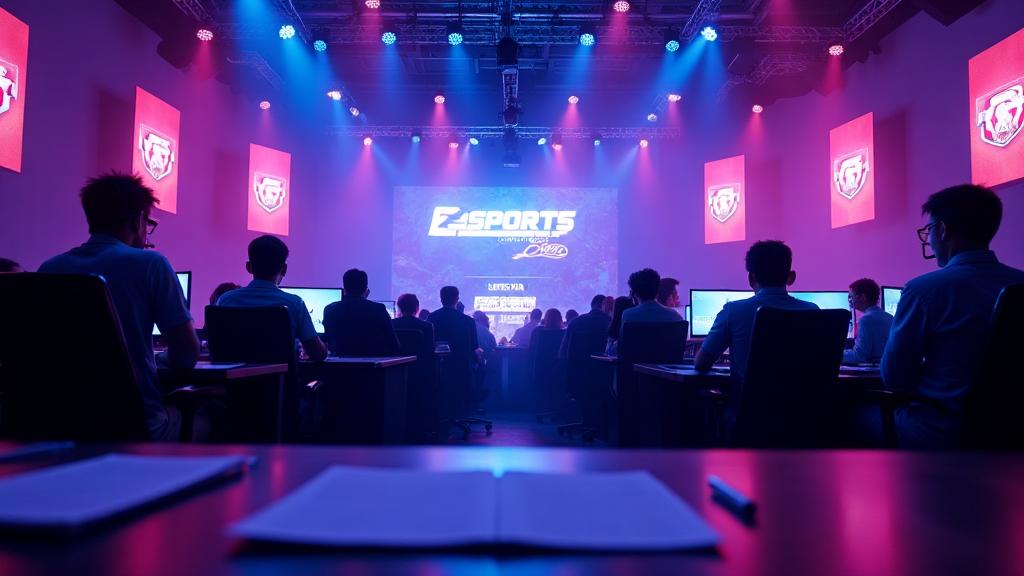
Esports tournaments combine competitive gaming with contracts, prize money, sponsorships, streaming rights, intellectual property, venue rules, and sometimes international participants. That mix can create legal obligations for organizers and players even when the tournament begins as a relatively small online competition.
Clear written rules become especially important once entry fees, valuable prizes, professional teams, or underage players are involved.
Player Agreements Should Explain More Than Participation
Professional and semi-professional events may use contracts covering appearance requirements, tournament schedules, conduct, media rights, team obligations, equipment, sponsorship conflicts, confidentiality, and payment.
Players reviewing everyday web references may encounter general contract discussions, but tournament agreements should be read according to their actual language and governing law.
Organizers should also define what happens if a player withdraws, loses internet access, breaks tournament rules, becomes unavailable, or is disqualified. Vague discretion can create disputes when substantial prize money is involved.
Prize Terms Need to Be Written Before Competition Starts
Tournament rules should identify the prize pool, eligibility requirements, payment timing, tie procedures, disqualification consequences, verification requirements, and circumstances allowing an event to be postponed or canceled.
General tournament-industry coverage can provide context about competitive events, but prize obligations should be stated in the organizer’s own enforceable rules rather than inferred from promotional material.
Federal tax rules can also affect winners. IRS Publication 525 explains that prizes and awards from contests or other events generally must be included in income unless a specific exception applies.
| Tournament Term | What Rules Should Address | Potential Dispute |
|---|---|---|
| Prize pool | Amount and payment terms | Delayed payment |
| Eligibility | Age and location | Invalid entry |
| Disqualification | Prohibited conduct | Loss of prize |
Event Rules Should Cover Competitive Integrity
Rules may address cheating software, account sharing, match fixing, collusion, unauthorized hardware, communication with outsiders, streaming delays, technical failures, substitutions, appeals, and administrator authority.
Organizers following regional media reports about controversies in other competitions should avoid simply copying another tournament’s rulebook. Rules need to reflect the actual game, platform, publisher requirements, competition format, and applicable law.
Promotional contests can raise additional consumer-law questions. FTC guidance notes that state laws may impose disclosures, licensing, or bonding requirements on certain contests and prize promotions, so organizers should distinguish carefully between skill competitions and chance-based promotions.
Common Assumptions That Cause Problems
One mistake is announcing a large prize pool before clearly documenting whether it is guaranteed or dependent on entries, sponsorship, or another condition. Promotional wording can later conflict with formal rules.
Another problem is overlooking minors. Younger competitors may raise contract-capacity, parental-consent, privacy, travel, payment, and safeguarding questions that differ from agreements with adult professionals.
When an Esports Lawyer May Be Useful
Legal review can be valuable for large prize pools, professional player agreements, cross-border competitions, publisher licensing, sponsorship contracts, broadcast rights, or tournaments involving minors.
Organizers should also consider legal advice when a player challenges a disqualification, claims an unpaid prize, alleges unauthorized use of their likeness, or disputes ownership or licensing of streamed tournament content.
Frequently Asked Questions
Are esports tournament prizes taxable?
Prize money is generally taxable under federal income-tax rules unless a specific exception applies. The exact reporting treatment can depend on the circumstances and the recipient.
Can tournament organizers disqualify players?
Organizers can establish enforceable competition rules, but disqualification decisions should follow the applicable agreement, published rules, governing law, and any promised appeal process.
Do minors need parental consent to compete?
Requirements vary by jurisdiction, platform, event, and contract. Organizers should review age restrictions and consent requirements before accepting underage competitors.
Write the Rules Before the Matches Begin
Esports disputes become harder to resolve when key terms exist only in advertisements, chat messages, or informal administrator decisions. Player rights, prizes, eligibility, conduct standards, media permissions, and appeals belong in written rules that participants can review before entering.
Clear documentation will not eliminate every disagreement, but it gives both organizers and competitors a defined framework when one occurs.
This article provides general legal information and is not a substitute for advice from a qualified attorney.